7 REASONS WHY YOU SHOULD DRINK GREEN TEA EVERY DAY!

For thousands of years, cultures have been relying on green tea to cure a number of ailments, both physical and mental. Today, we know for a fact that they were onto something. Let’s dive right into 7 proven benefits of drinking green tea regularly.

Fruits to Avoid if You Have Diabetes

Fruit is Not Forbidden But Some Fruit Choices are Better Than Others

This Video Explains How to Properly Use Color-Correcting Makeup

If you want to offset dark circles, redness, or dark spots with makeup, you have to understand how using orange, green, yellow, and a few other colors can even out your skin tone—called color-correcting. The technique is popular, but really easy to mess up. This video helps clear up the confusion.

Brisk Walking Keeps You Thinner Than Other Exercise

Which exercise is best for keeping off weight? A long term study found that people who enjoyed a 30-minute brisk walk most days had the smallest waists and lowest body mass indexes.

9 Ways to Keep Your Joints Healthy

Many people with arthritis resist regular physical activity or exercise because they fear it will increase pain or further damage their joints. The body is supposed to move; our joints allow for movement. In fact, movement eases joint stiffness, reduces joint pain, strengthens the muscles which surround the joints, and help us maintain a healthy weight. The benefits are real, so keep moving!

Showing posts with label Fruits. Show all posts

Monday, April 10, 2017

Avocados: Weight Loss Friend or Foe?


Avocados manage to be both timeless and trendy. The green fruit (yup, it's a fruit) is used in classics like guacamole and Cobb salad and it's currently popping up in countless restaurant dishes. But, could the ubiquitous avocado also be good for your weight loss game? 

Overview of Weight Loss Claims

  • The most common claim that avocados are good for dropping pounds comes from their high content of healthy fats, which are known to suppress appetite, leading to weight loss.
  • Also, studies show that high-fiber foods, like avocados, boost feelings of fullness. Those feelings of satisfaction mean you're less likely to overeat which can lead to weight loss.
  • There's even evidence that healthy (or unsaturated) fats help prevent blood-sugar spikes, which tell your body to store excess calories as fat in your midsection. That means avocados may be good for controlling belly fat.
  • Healthy fats and dietary fiber are linked to satiety. Satiety can result in a reduction of excess eating. Eating less often leads to weight loss. But those attributes aren't exactly unique to avocados.
    While avocados can be a healthy addition to your diet, it's important to be aware of the fact that they are fairly calorie dense. A small avocado (about four ounces) has around 180 calories and 17g fat. And there absolutely is such a thing as too much fat — even the healthy kind.

    Just because avocados are healthy and satisfying doesn’t mean you should eat them with complete abandon.

    Not only could that prevent weight loss, it could actually lead to weight gain. Definitely, enjoy them — just in moderation!

    When in Doubt, Weigh It Out

    For the most accurate info, weigh out your avocado portion with a food scale. Each ounce has around 45 calories, 4g fat, 2.5g carbs, 2g fiber, and 0.5g protein.
    Kitchen scales are inexpensive and they're great tools for weight management. If you're not able to weigh out your avocado, here are some shortcut estimates:
    1-ounce avocado is equal to:
    • about 2 tbsp. mashed avocado
    • about 2 tbsp. chopped avocado
    • about 1/4th of a small avocado

    Tips on Adding Avocado to Your Diet

    • Spice and spread. You can mash and season them to make a spread for whole-grain toast, high-fiber crackers, sandwiches, or even apple slices. One of my favorite little snacks is high-fiber, flatbread-style crackers topped with seasoned mashed avocado and sun-dried tomatoes. 
    • Egg Addition. A little chopped avocado brings so much flavor to an egg scramble. Mashed avocado is also surprisingly tasty in hard-boiled egg white halves. Top it with chopped lean bacon for a tremendously satisfying snack.
    • As a salad topper. A bit of avocado on your salad will make it more filling and more delicious. You can even blend up some avocado with fat-free yogurt for a flavor-packed dressing. 
    • Creamy guac dip. Guacamole is delicious, but it’s way too easy to overdo it with the traditional dense dip. Combine 1/4 cup fat-free plain Greek yogurt with the same amount of mashed avocado. Toss in 1/8 tsp. each of salt, garlic powder, and chili powder and you’ve got a guac fix with a seriously slashed calorie count.
Sources: - Verywell

Sunday, March 12, 2017

Fruits to Avoid if You Have Diabetes


1
 Fruit is Not Forbidden But Some Fruit Choices are Better Than Others

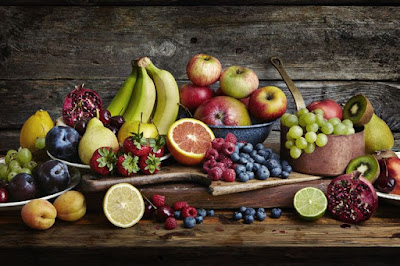
If you have diabetes, chance are someone has said that you are not allowed to eat fruit. This is not true; people with diabetes can eat fruit and fruit can be included in a healthy eating plan. But, because fruit is a carbohydrate, fruit will affect your blood sugar and you cannot eat unlimited amounts. And certain fruits may cause your blood sugars to spike at a quicker pace than others. The tricky part about eating with diabetes is that everyone responds to food differently. While one person maybe able to eat apples without any issue, someone else may find that apples cause their blood sugars to spike. Testing your blood sugars before and after eating fruit can help you to determine which fruits are best for you.
Other ways to keep blood sugars controlled while enjoying fruit is to think about the context in which you eat it. You'll have a better chance at keeping your blood sugars controlled if you avoid juice altogether, limit your fruit servings to no more than 2-3 per day (1 serving = 15 g of carbohydrate), pair your fruit with protein or include it into your meal as part of your carbohydrate choice, and avoid fruits that are very ripe. The more ripe a fruit is the higher its glycemic index, which means it will raise your blood sugar more than a food with a low glycemic index.
In addition to juice, their are certain fruits that make my do-not-eat list. These fruits have been placed on this list either because they have a higher glycemic index or because most people overeat them, which results in higher blood sugar. 
Sources: 
American Diabetes Association. Glycemic Index and Diabetes. Accessed on-line. August 24, 2015: http://www.diabetes.org/food-and-fitness/food/what-can-i-eat/understanding-carbohydrates/glycemic-index-and-diabetes.html 

2
 Grapes

Green and Purple Graps

One small grape contains 1 gram of carbohydrate, which means that fifteen grapes is considered one serving of fruit. Odds are that if you are eating grapes, you are eating way more than fifteen. To avoid overeating, its best to either count them and put them into a small bowl, or avoid temptation and choose to eat a fruit such as berries.You can eat 1 1/4 cup of strawberries for the same amount of carbohydrate as fifteen grapes. 

3
 Cherries

Bowl of Cherries
Most people don't stop eating cherries at just a handful, which is why eating cherries will usually result in blood sugar spikes. Similar to grapes, 1 cherry contains 1 gram of carbohydrate. If you find that yourself snacking on a big bowl of cherries, it's probably best to avoid them altogether. 

4
 Pineapple

Bowl of Large, Ripe Pineapples
Fresh pineapple is delicious and sweet, especially when its very ripe, which makes it a high glycemic index food. Depending on how you slice it, the thickness and width can change the amount of carbohydrates and make it easy to overeat too. If you must eat pineapple, stick to a 1/2 cup serving (pineapple cut into chunks) and aim to eat it with a meal or a protein rich food such as low-fat Greek yogurt or low-fat cottage cheese. 

5
 Mango

Mango cut in cubes
Ever eat an entire mango in one sitting - you are not alone. Depending on the size, an entire mango will cost you about 30 grams of carbohydrate and about 26 grams of sugar. If you do eat mango, make sure to limit your portion to 1/2 and aim to eat it when it's a bit more firm. As the mango softens, it becomes more ripe and its glycemic index - the rate at which it can increase blood sugar - will rise. 

6
 Banana

Full Frame Shot of Yellow Bananas
You may have heard that banana's are too sweet. It's not that bananas are actually sweeter than other fruit choices. Rather, 1 medium banana contains the same amount of carbohydrate in two servings of another fruit choice, such as one small piece of fruit or 3/4 cup of blueberries. If you must eat a banana, stick to 1/2 and place the other half in the refrigerator for a later time. If you are unsure what a serving of fruit is, learn about carbohydrate counting necessities: Top 4 Carbohydrate Counting Necessities

7
 Dried Fruit

View of Dried Fruit
Dried fruit, especially varieties that have been coated in yogurt, chocolate or sugar contains a large amount of carbohydrates for a small portion. Two tablespoons of raisins has the same amount of carbohydrate as 1 cup of raspberries or 1 small piece of fruit. Replace dried fruit with fresh fruit to add volume to your meal plan and reduce the sugar content.

8
 Fruit Juice

Fruit Juice

Unless you are experiencing hypoglycemia, fruit juice (even 100% fruit juice) should be avoided. Think about how many oranges it takes to make 1 cup of juice - many more than one. One 8 oz cup of orange juice contains 30 grams of carbohydrate, 30 grams of sugar and no fiber. The body doesn't have to do a great deal of work to break down the sugar in juice, therefore it is metabolized quickly and raises blood sugars within minutes. Juice can also tack on extra calories without affecting your satiety and therefore can prevent weight loss and even promote weight gain. Swap fruit juice for whole fruit, and limit your portions to no more than 2-3 per day. For tips on how to incorporate fruit into your meal plan: Top 4 Tips for Incorporating Fruit into Your Meal Plan 
Sources;-