7 REASONS WHY YOU SHOULD DRINK GREEN TEA EVERY DAY!

For thousands of years, cultures have been relying on green tea to cure a number of ailments, both physical and mental. Today, we know for a fact that they were onto something. Let’s dive right into 7 proven benefits of drinking green tea regularly.

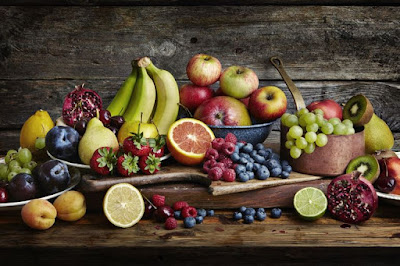
Fruits to Avoid if You Have Diabetes

Fruit is Not Forbidden But Some Fruit Choices are Better Than Others

This Video Explains How to Properly Use Color-Correcting Makeup

If you want to offset dark circles, redness, or dark spots with makeup, you have to understand how using orange, green, yellow, and a few other colors can even out your skin tone—called color-correcting. The technique is popular, but really easy to mess up. This video helps clear up the confusion.

Brisk Walking Keeps You Thinner Than Other Exercise

Which exercise is best for keeping off weight? A long term study found that people who enjoyed a 30-minute brisk walk most days had the smallest waists and lowest body mass indexes.

9 Ways to Keep Your Joints Healthy

Many people with arthritis resist regular physical activity or exercise because they fear it will increase pain or further damage their joints. The body is supposed to move; our joints allow for movement. In fact, movement eases joint stiffness, reduces joint pain, strengthens the muscles which surround the joints, and help us maintain a healthy weight. The benefits are real, so keep moving!

Showing posts with label Food. Show all posts

Monday, April 10, 2017

Avocados: Weight Loss Friend or Foe?


Avocados manage to be both timeless and trendy. The green fruit (yup, it's a fruit) is used in classics like guacamole and Cobb salad and it's currently popping up in countless restaurant dishes. But, could the ubiquitous avocado also be good for your weight loss game? 

Overview of Weight Loss Claims

  • The most common claim that avocados are good for dropping pounds comes from their high content of healthy fats, which are known to suppress appetite, leading to weight loss.
  • Also, studies show that high-fiber foods, like avocados, boost feelings of fullness. Those feelings of satisfaction mean you're less likely to overeat which can lead to weight loss.
  • There's even evidence that healthy (or unsaturated) fats help prevent blood-sugar spikes, which tell your body to store excess calories as fat in your midsection. That means avocados may be good for controlling belly fat.
  • Healthy fats and dietary fiber are linked to satiety. Satiety can result in a reduction of excess eating. Eating less often leads to weight loss. But those attributes aren't exactly unique to avocados.
    While avocados can be a healthy addition to your diet, it's important to be aware of the fact that they are fairly calorie dense. A small avocado (about four ounces) has around 180 calories and 17g fat. And there absolutely is such a thing as too much fat — even the healthy kind.

    Just because avocados are healthy and satisfying doesn’t mean you should eat them with complete abandon.

    Not only could that prevent weight loss, it could actually lead to weight gain. Definitely, enjoy them — just in moderation!

    When in Doubt, Weigh It Out

    For the most accurate info, weigh out your avocado portion with a food scale. Each ounce has around 45 calories, 4g fat, 2.5g carbs, 2g fiber, and 0.5g protein.
    Kitchen scales are inexpensive and they're great tools for weight management. If you're not able to weigh out your avocado, here are some shortcut estimates:
    1-ounce avocado is equal to:
    • about 2 tbsp. mashed avocado
    • about 2 tbsp. chopped avocado
    • about 1/4th of a small avocado

    Tips on Adding Avocado to Your Diet

    • Spice and spread. You can mash and season them to make a spread for whole-grain toast, high-fiber crackers, sandwiches, or even apple slices. One of my favorite little snacks is high-fiber, flatbread-style crackers topped with seasoned mashed avocado and sun-dried tomatoes. 
    • Egg Addition. A little chopped avocado brings so much flavor to an egg scramble. Mashed avocado is also surprisingly tasty in hard-boiled egg white halves. Top it with chopped lean bacon for a tremendously satisfying snack.
    • As a salad topper. A bit of avocado on your salad will make it more filling and more delicious. You can even blend up some avocado with fat-free yogurt for a flavor-packed dressing. 
    • Creamy guac dip. Guacamole is delicious, but it’s way too easy to overdo it with the traditional dense dip. Combine 1/4 cup fat-free plain Greek yogurt with the same amount of mashed avocado. Toss in 1/8 tsp. each of salt, garlic powder, and chili powder and you’ve got a guac fix with a seriously slashed calorie count.
Sources: - Verywell

Sunday, March 26, 2017

HEALTH / WEIGHT LOSS Using This Simple Kitchen Tool Helped Me Drop 108 Pounds

Erika Chacon, 31, 5'4", from Rialto, Calif.
Before: 265 lb., size 18/20
After: 157 lb., size 6/8
Total pounds lost: 108 lb.
Total sizes lost: 6/7
Whether I was grazing on junk food all day or bingeing on Hot Pockets and Oreos after hours, my adolescent eating left much to be desired. Playing softball in high school helped keep my weight in check, but the excess calories started catching up to me in college. Once I graduated, my activity level really plummeted, and the pounds began piling on. By September 2015, I was up to 265 pounds. I felt so embarrassed when my then-boyfriend saw the number on the scale. Soon after that, a stranger assumed I was pregnant. I knew I needed to make a change.

Revamping my habits

To start, I researched how to do meal prep. I would buy anything green and clean, putting together healthy combos of lean turkey, brown rice, and seasoned veggies. I also hit the treadmill at the gym. At first, I felt ashamed when I couldn’t jog for longer than a minute and the girl next to me was logging miles. But I reminded myself that I was making this decision for me, no one else. By exercising daily and eating better, I lost about 45 pounds in three months. Then I hit a roadblock: The number on the scale wouldn’t budge. Panicked, I decided to overhaul my routine.

Measuring up

I started counting calories and using a food scale to keep an eye on my portions. I wanted to make sure I wasn’t eating more than I was burning. I also upped my strength training, integrating squats, lunges, and the occasional TRX class into my routine. The result: a tighter and 60-pounds-lighter frame in six months. These days I’m 157 pounds and still working out six days a week. Even better, now I’m the girl on the treadmill racking up the miles—at a seven-minute-mile pace!

Secrets to a shape-up win

1. Post positivity. I constantly post transformation photos, thoughts of encouragement, and recipes on my Instagram account @icandoallthings_journey to help my 10,000-plus followers realize they can reclaim their health like I did.
2. Snack smarter. I used to top potato chips or pork rinds with lime juice and chili powder. Now I use carrot sticks. The longer the lime juice sits, the better it tastes! And it’s so refreshing.
3. Tap technology. I’m obsessed with my Apple watch! Not only does it continually nudge me to stay active, it also keeps me competitive. I try to fill every one of its progress rings daily.
4. Get outdoors. I’m a California girl, so I love swimming, hiking, and body boarding. They’re all insane workouts, but I forget I’m exercising when I’m by the ocean; it’s my sneaky way of moving.
Erika is wearing: Graced By Grit Kate tank ($46; gracedbygrit.com); Graced By Grit Chelsea leggings ($118; gracedbygrit.com), and Graced By Grit Gritty Titty bra ($52;gracedbygrit.com). 

Sources:- Health

Thursday, March 23, 2017

Vitamin D Requirements and Dietary Sources


Vitamin D is a fat-soluble vitamin. It exists in four different forms: cholecalciferol, calcifediol, calcitriol, and ergocalciferol.
Cholecalciferol: This form is also called vitamin D3, and it's made from cholesterol in your body when your skin is exposed to ultraviolet light. For most of us, it takes about 5 to 30 minutes of sun exposure two days each week to make sufficient amounts of vitamin D though it varies based on weather conditions and time of year.
Cholecalciferol is not biologically active; it has to travel through your bloodstream to the liver where is it converted into another form of vitamin D called calcifediol.
Calcifediol: The storage form of vitamin D is called 25-hydroxyvitamin D or calcifediol. It's also the form of vitamin D that's measured in blood tests when your health care provider wants to determine when you have symptoms of vitamin D deficiency. If your calcidiol levels are low, you may not be making enough vitamin D, which can lead to a softening and weakening of your bones. In children, this is called rickets and in adults, it's called osteomalacia. Osteomalacia can result in osteoporosis.
Calcitriol: Your kidneys take calcifediol and convert it to the biologically active form of vitamin D called 1,25-hydroxyvitamin D, or calcitriol. This kind of vitamin D promotes calcium absorption and helps balance the blood levels.
It also has a role in normal cell growth and nerve and muscle function. Calcitriol is also necessary for a healthy immune system and may help to reduce inflammation. Your body regulates your blood levels of calcitriol very carefully, so it isn't a proper form for testing or monitoring vitamin D deficiency.
In fact, calcitriol levels may remain normal while calcifediol levels begin to drop.
Ergocalciferol: Vitamin D2, or ergocalciferol, is similar to cholecalciferol, but it's the form of vitamin D synthesized in plants. Your liver can convert ergocalciferol to the calcifediol. It isn't converted to calcidiol as efficiently as cholecalciferol, but it appears to be sufficient for use as a dietary supplement. Some people prefer vitamin D3, and cholecalciferol is also available as a supplement.

Where Does Vitamin D Come From?

Vitamin D isn't found in many foods unless they have been fortified, such as milk, yogurt, soy milk and breakfast cereals. Small amounts of vitamin D are found in oily fish and beef liver. 
Your body makes vitamin D when your skin is exposed to the ultraviolet B (UVB) rays in sunlight. About 5 to 30 minutes of exposure to the skin on your face, arms, back or legs (without sunscreen) two times every week is enough.
But, too much exposure to sunlight is a risk for skin cancer, so you should use sunscreen after a few minutes in the sun, even on hazy or cloudy days.
The amount of exposure also depends on the time of the year. In the northern hemisphere, the UVB rays are more intense during the summer months and less intense during the winter months. In fact, if you live north of the 42-degree latitude, you'll have a difficult time getting enough sun exposure from November through February.
Picture a map of North America. If you live north of a line drawn on a map from the northern border of California to Boston, Massachusetts, you will probably need to get more vitamin D from the foods you eat (or from supplements) during the winter months, even if you do go outside every day.
The intensity of UVB rays is also reduced by clouds and pollution. The UVB rays will not travel through glass so sitting next to a window will not give you enough sunlight to make vitamin D.

Why Do You Need Vitamin D?

Your body needs vitamin D to absorb and utilize calcium, which keeps your bones and teeth strong, and is essential for normal blood clotting and muscle and nerve function.
A vitamin D deficiency can happen if you don't get enough sun exposure, if your kidneys cannot convert the storage form to the active form, or if you can't absorb vitamin D from due to problems with your digestive system. A chronic lack of vitamin D leads to weakened bones and diseases called rickets in children and osteomalacia in adults.
The National Academies of Sciences, Engineering and Medicine, Health and Medicine Division sets daily dietary reference intakes for vitamins and minerals. Although sunlight exposure is the primary source, the IOM has set a daily requirement for dietary vitamin D that's based on age. It's the same for both males and females.
These DRIs represent an amount needed by a healthy person, so if you have any health issues, you should consult your health care provider.

Dietary Reference Intakes

  • Up to age 70: 600 International Units (IUs) per day
  • Ages 71 and older: 800 IUs per day
Observational studies indicate that having insufficient levels of vitamin D may be correlated with an increased risk of cancer, multiple sclerosis, diabetes and high blood pressure.
But so far, taking supplements with the idea of treating these conditions hasn't been shown to be beneficial.
Vitamin D supplements may be useful for some people, especially during the winter or if you typically avoid sun exposure. In fact, it's usually added to calcium supplements. You can choose from two forms -- vitamin D2 or vitamin D3. Your body absorbs vitamin D3 a little better, but research shows that either type will give you enough vitamin D.
Taking large doses of vitamin D supplements for extended periods of time may result in vitamin D toxicity, so the Institute of Medicine determined tolerable upper levels. Long-term use of dosages above these amounts might cause tissue calcifications that may result in damage to the heart, blood vessels, and kidneys. Don't use large doses of vitamin D supplements without speaking with your doctor first.

Tolerable Upper Limits

  • Ages 1-3: 2500 IUs per day
  • Ages 4-8: 3000 IUs per day
  • Ages 9 and above: 4,000 IUs per day
Vitamin D toxicity does not occur from the vitamin D that your body makes when your skin is exposed to the sun.
Sources:
National Academies of Sciences, Engineering and Medicine, Health and Medicine Division. "Dietary Reference Intakes Tables and Application." Accessed March 25, 2016. http://www.nationalacademies.org/hmd/Activities/Nutrition/SummaryDRIs/DRI-Tables.aspx.
National Institutes of Health, Office of Dietary Supplements. "Vitamin D - Health Professional Fact Sheet." Accessed March 8, 2016. http://ods.od.nih.gov/factsheets/VitaminD-HealthProfessional/.
VERYWELL